How Hot is Croatia in February – What to Expect?
Croatia experiences mild temperatures in February, with averages ranging from 8°C to 13°C (46°F to 55°F) across the country. However, temperatures can vary depending on the region, with coastal areas typically being slightly warmer compared to inland regions.
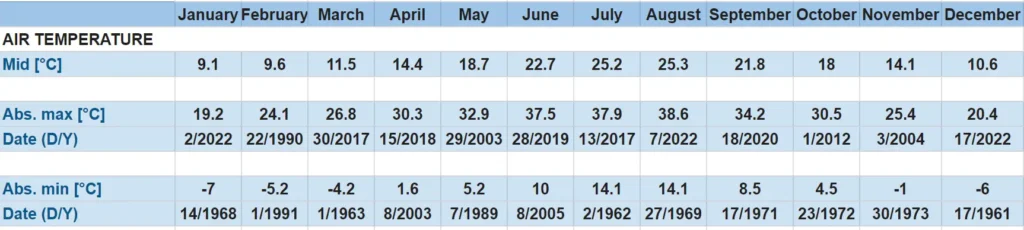
Croatia weather in February brings a transition from winter to early spring. While it may not be the peak tourist season, it offers a unique opportunity to explore this beautiful country with fewer crowds and pleasant weather conditions.
Is February a Good Time to Visit Croatia?
February can be an excellent time to visit Croatia for those seeking a more serene and intimate experience. While the weather may not be as warm as in the summer months, the milder temperatures and fewer tourists allow for a more relaxed exploration of Croatia’s attractions.
Where is the Best Place to Go in Croatia in February?
- Zagreb: Croatia’s capital city offers a charming winter ambiance with its historic architecture, vibrant cultural scene, and cozy cafes. Explore the picturesque Upper Town and experience the festive atmosphere of the Advent in Zagreb festival.
- Split: Located on the Dalmatian coast, Split boasts mild temperatures in February, ideal for exploring its UNESCO-listed Diocletian’s Palace, wandering through narrow streets, and enjoying local cuisine at waterfront restaurants.
- Plitvice Lakes National Park: Witness the magical winter landscape of cascading waterfalls and crystalline lakes in one of Croatia’s most iconic national parks. Enjoy peaceful walks along wooden boardwalks amidst breathtaking natural scenery.
- Rijeka: As the European Capital of Culture for 2020, Rijeka offers a diverse range of cultural events and attractions. Explore the city’s vibrant street art scene, visit the Rijeka Carnival, and indulge in delicious seafood at local eateries.
- Dubrovnik: Despite the cooler temperatures, Dubrovnik’s historic charm remains alluring in February. Explore the UNESCO-listed Old Town, walk along the ancient city walls, and soak in breathtaking views of the Adriatic Sea.
- Pula: Discover the rich history of Pula, known for its well-preserved Roman amphitheater. Explore ancient ruins, stroll along the scenic waterfront, and visit the Archaeological Museum for insights into the region’s past.
- Varaždin: Experience the romantic ambiance of Varaždin, often referred to as “Little Vienna.” Admire the well-preserved Baroque architecture, explore the city’s charming streets, and visit the Varaždin Castle, home to fascinating exhibitions and events.
- Opatija: Known for its elegant Belle Époque villas and scenic waterfront promenade, Opatija offers a tranquil retreat in February. Enjoy leisurely walks, relax in thermal spas, and savor exquisite cuisine at local restaurants.
- Krk Island: Escape to the largest island in the Adriatic Sea, Krk Island, and explore its picturesque towns, hidden coves, and stunning beaches. Discover cultural landmarks such as Krk Cathedral and Vrbnik’s narrow streets lined with vineyards.
- Zadar: Embrace the laid-back charm of Zadar in February. Explore the city’s ancient Roman ruins, marvel at the Sea Organ and Sun Salutation installations along the waterfront, and experience stunning sunsets over the Adriatic Sea.

How Hot is Dubrovnik in February?
Dubrovnik, located on Croatia’s southern coast, enjoys relatively mild weather in February. The average temperature in Dubrovnik during this month ranges from 9°C to 14°C (48°F to 57°F), making it a comfortable destination for sightseeing and outdoor activities.
Croatia Weather in February – Is it Worth it?
While February may not be the warmest time to visit Croatia, it presents an opportunity for travelers to experience the country in a different light, away from the peak tourist season. With mild temperatures, fewer crowds, and plenty of cultural and natural attractions to explore, Croatia in February promises a memorable and rewarding experience for those seeking a quieter getaway. If you consider other winter months, check out our guide on Croatia Weather in January.